
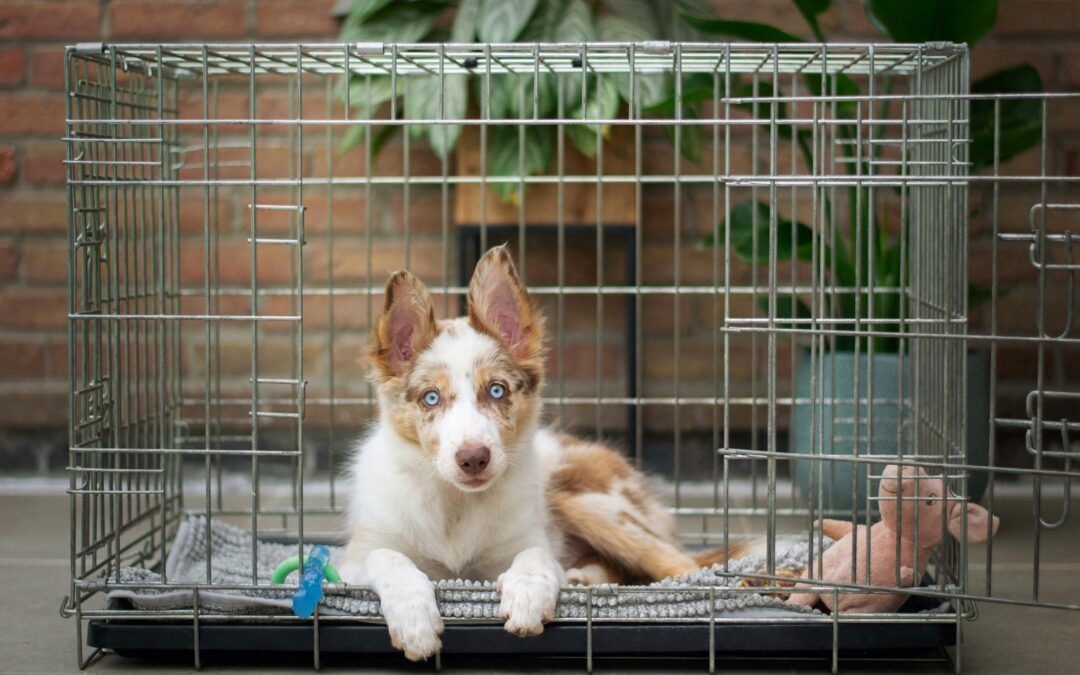
Crate training is an effective method to provide your dog with a safe and comfortable space, aiding in house training and reducing anxiety. When implemented correctly, the crate becomes a positive environment for your pet. Here are some essential tips to guide you through the process:
1. Select the Appropriate Crate Size
Choose a crate that allows your dog to stand, turn around, and lie down comfortably when an adult. For growing puppies, consider a crate with a divider to adjust the space as they mature. Wire crates offer good ventilation, while plastic crates provide a den-like atmosphere. Ensure the crate is durable and suited to your dog’s size and temperament.
2. Create Positive Associations
Introduce the crate as a pleasant space. Place soft bedding inside and consider covering the crate with a blanket to create a cozy environment. Encourage your dog to explore the crate by placing treats or favorite toys inside. Feeding meals in the crate can also help establish a positive connection.
3. Gradual Introduction
Start by allowing your dog to enter and exit the crate freely. Once they are comfortable, close the door briefly while you remain nearby. Gradually increase the duration with the door closed, ensuring your dog remains relaxed. Avoid rushing this process to prevent anxiety.
4. Use the Crate for Short Periods
Initially, confine your dog to the crate for short intervals while you’re at home. This helps them acclimate without feeling isolated. Gradually extend the time as they become more comfortable. Remember, the crate should not be used for extended periods; excessive confinement can lead to behavioral issues.
5. Avoid Using the Crate as Punishment
The crate should be a safe haven, not a place of discipline. Using it as punishment can create negative associations, making your dog reluctant to use it. Always ensure that crate time is associated with positive experiences.
6. Maintain a Consistent Routine
Consistency helps your dog understand when it’s time to rest in the crate. Incorporate the crate into daily routines, such as during meal times or bedtime. Regular use reinforces the crate as a normal part of life.
7. Be Patient and Observant
Monitor your dog’s behavior and adjust the training pace accordingly. Some dogs may take longer to acclimate to the crate. Patience and positive reinforcement are key to successful crate training.
8. Recovery from an Operation or Illness
An additional benefit of having a crate-trained dog is in the unfortunate event of your dog needing to be contained while recovering after an operation or illness. If they are already used to spending some time in a crate, this period is made a lot more comfortable and stress-free, for both you and your furry friend.
By following these guidelines, you can establish a crate as a secure and comforting space for your dog, enhancing their well-being and your household harmony.
Need help choosing the right crate size? Our dog training classes cover essential puppy training techniques!